
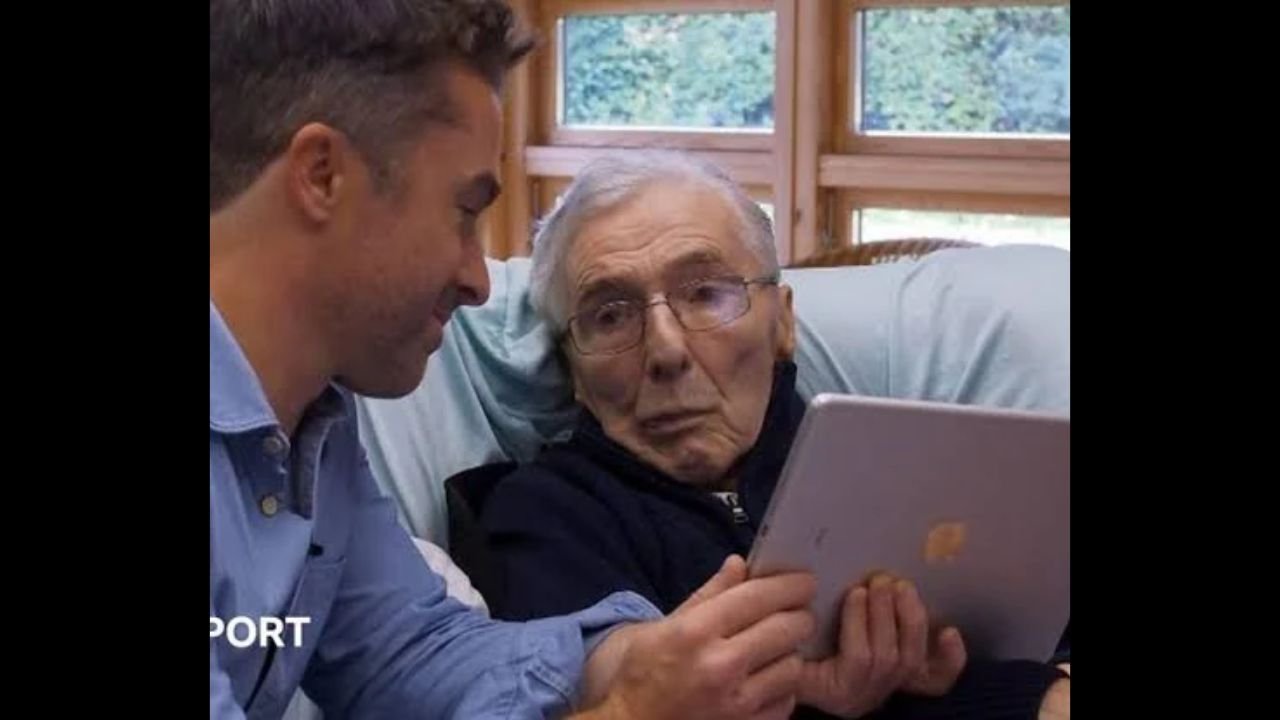
Former England rugby international and BBC commentator Nigel Starmer-Smith reportedly passed away on November 26, 2026, aged 81, following an 11-year battle with frontotemporal dementia. Diagnosed in 2015, the progressive neurological condition gradually affected his speech, behaviour and physical mobility. His son, Charlie Starmer-Smith, confirmed that the celebrated broadcaster died peacefully after spending several years receiving specialist dementia care near Oxford.
Nigel Starmer-Smith’s Illness
Nigel Starmer-Smith suffered from frontotemporal dementia, a neurological condition that primarily affects the frontal and temporal regions of the brain.
These areas are responsible for language, behaviour, personality, decision-making and emotional responses.
Unlike some other forms of dementia, frontotemporal dementia can initially affect communication and behaviour rather than memory.
For Starmer-Smith, whose broadcasting career depended heavily on his communication skills, the condition had particularly devastating consequences.
His illness eventually forced him to withdraw from professional commitments and receive long-term medical support.
Early Warning Signs
The first noticeable symptoms reportedly appeared in early 2015.
His son, Charlie, observed unexpected changes in his father’s personality and behaviour. Previously known for being outgoing and sociable, Nigel began experiencing anxiety about attending social gatherings.
He also started struggling during rugby commentary, occasionally making mistakes that were unusual for someone with his extensive broadcasting experience.
These changes raised concerns among family members, particularly because Nigel had spent decades communicating confidently with television audiences.
His increasing difficulties eventually prompted medical investigations.
Dementia Diagnosis
Nigel Starmer-Smith was diagnosed with frontotemporal dementia in 2015, marking the beginning of a lengthy health battle.
The diagnosis provided an explanation for the behavioural changes and communication difficulties his family had noticed.
Frontotemporal dementia encompasses several neurological disorders associated with progressive damage to the brain. Pick’s disease is one specific form within this group.
The condition currently has no cure, although specialist treatment and supportive care can help manage certain symptoms.
Following his diagnosis, Starmer-Smith’s ability to continue working in broadcasting rapidly diminished.
Loss of Speech
One of the most heartbreaking consequences of Nigel’s illness was the deterioration of his communication abilities.
According to Charlie, his father’s condition progressed significantly within six months of receiving his diagnosis.
The broadcaster gradually struggled to construct sentences and eventually became largely unable to communicate verbally.
For a man whose distinctive voice had accompanied countless memorable rugby matches, losing the ability to speak represented a profound change.
His family had to adapt to new ways of communicating with him as the disease progressed.
Specialist Dementia Care
As his health deteriorated, Starmer-Smith required increasingly comprehensive medical and personal assistance.
He reportedly spent the final nine years of his life at Vale House, a specialist dementia care facility near Oxford.
The facility provided professional support as his condition affected both cognitive functions and physical independence.
Over time, Nigel experienced significant mobility difficulties and eventually became unable to walk independently.
His declining health required continuous assistance with everyday activities, highlighting the extensive care needs associated with advanced dementia.
Pandemic Challenges
The COVID-19 pandemic introduced additional difficulties for the Starmer-Smith family.
Restrictions on care home visits prevented relatives from maintaining their usual face-to-face contact with Nigel.
During lockdown periods, family members reportedly had to visit him through a window.
For someone already experiencing severe communication difficulties, these restrictions made personal interaction particularly challenging.
Charlie subsequently discussed the emotional impact of witnessing his father’s deteriorating health while being unable to maintain normal physical contact.
Was Rugby Responsible?
Nigel Starmer-Smith’s illness also raised questions about the potential relationship between contact sports and neurological conditions.
During his rugby career in the 1960s and 1970s, awareness of concussion and long-term brain injuries was considerably different from modern medical understanding.
Charlie explained that players being knocked unconscious during matches was sometimes regarded as a demonstration of toughness rather than a serious medical concern.
However, dementia also reportedly affected Nigel’s brother, suggesting a possible familial component.
There is no confirmed evidence establishing that rugby-related head injuries directly caused Starmer-Smith’s dementia. Genetic factors and previous head trauma remain important areas of neurological research.
Charlie’s Fundraising Campaign
Nigel’s son, Charlie Starmer-Smith, responded to his father’s diagnosis by becoming involved in dementia awareness and fundraising.
In 2021, he released a charity single titled Spotlight, drawing inspiration from his father’s declining health and their changing relationship.
The musical project supported the Alzheimer’s Society and helped raise awareness about the challenges experienced by families affected by dementia.
Charlie also shared personal experiences through interviews, encouraging greater public understanding of neurological illnesses and the importance of continued medical research.
Family Heartbreak
Nigel’s dementia battle followed several devastating personal tragedies.
He and his wife, Rosamund Bartlett, lost their daughter Charlotte in 1991 and their son Julian in 2001.
Rosamund subsequently died from bowel cancer in 2021 while Nigel was receiving specialist dementia care.
Charlie remained their only surviving child, continuing to support his father while managing his own family responsibilities and charitable activities.
Nigel Starmer-Smith’s Cause of Death
According to the supplied reports, Nigel Starmer-Smith died peacefully on November 26, 2026, at the age of 81, following complications associated with his longstanding battle with frontotemporal dementia.
His death marked the end of an illness that had gradually affected his independence, communication and physical abilities over 11 years.
Although dementia brought his broadcasting career to an early conclusion, Starmer-Smith’s contributions to English rugby and sports journalism remain significant.
His family’s continued advocacy for dementia research also represents an enduring legacy beyond his achievements on the rugby field and behind the microphone.