
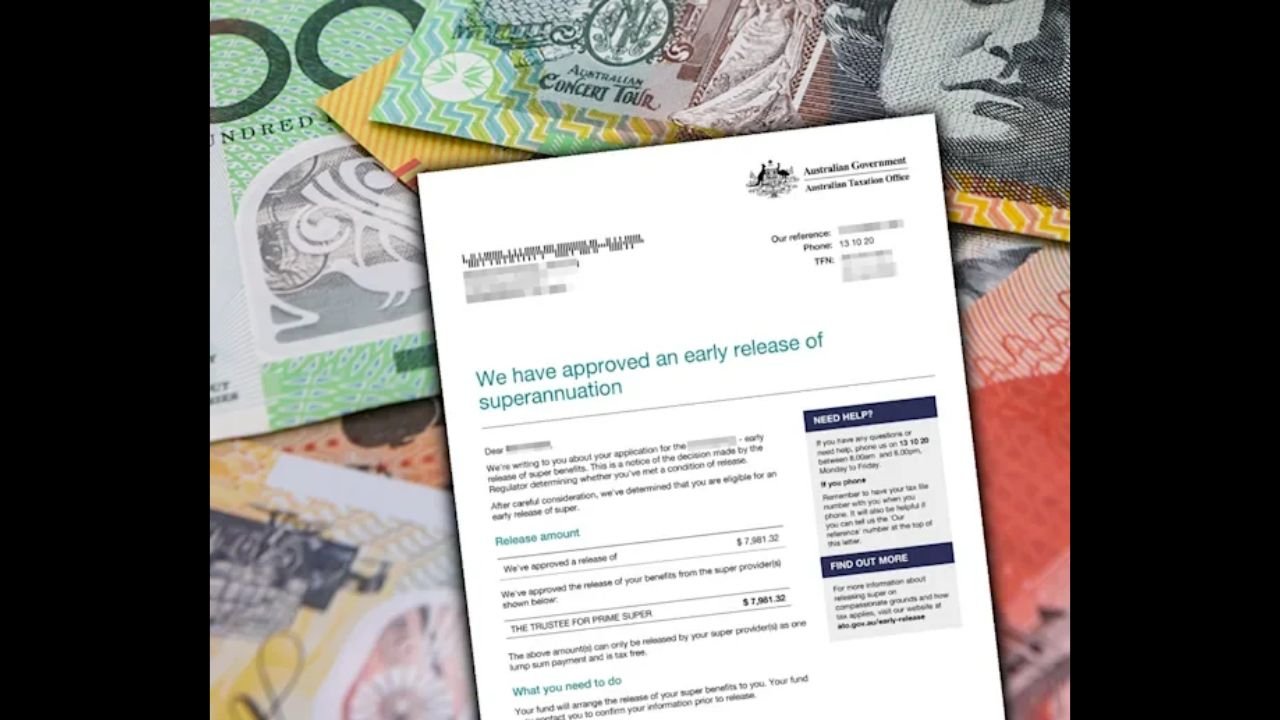
Australians have been warned about unsolicited superannuation calls using artificial intelligence and aggressive sales techniques to target retirement savings. Reports in November 2026 described an AI caller repeatedly questioning a consumer about superannuation. Separately, the Australian Securities and Investments Commission (ASIC) identified troubling sales practices linked to hundreds of millions of dollars in investments. The risks include both outright scams and costly, unsuitable superannuation switches.
What happened in November 2026?
A report published on 18 November described an Australian consumer receiving an unusual automated call seeking information about her superannuation. The experience illustrates how a conversation can appear responsive while still being designed primarily to collect financial details. A caller that seems human or uses familiar language is not necessarily connected with a legitimate financial institution.
Earlier in the month, reporting on ASIC’s review of financial services licensees described telemarketing arrangements associated with approximately $678 million in investments, predominantly superannuation. The review examined activity between January 2025 and June 2026. Consumers were urged to be cautious about referral and investment arrangements promoted through unsolicited calls.
Why superannuation is an attractive target
For many Australians, accumulated superannuation represents one of their largest financial assets. Retirement accounts may contain years of compulsory employer contributions, voluntary savings and investment earnings. A person may not monitor the account as frequently as an everyday bank account, making unexpected changes harder to identify immediately.
People who are approaching retirement can be particularly concerned about fees, investment performance and their ability to fund future expenses. Fraudulent callers or unsuitable sales operators may exploit these concerns by presenting a switch as an urgent opportunity to improve the person’s retirement position.
A legitimate financial decision should be assessed on its merits, not simply on whether a caller claims that a particular fund has produced disappointing returns or charges excessive fees. Consumers should independently confirm the information and obtain appropriate advice before deciding whether to change their arrangements.
How AI changes the risks for consumers
ASIC’s consumer information updated on 10 November 2026 describes how generative AI can be used to make investment scams appear convincing. Artificially generated endorsements, misleading content and impersonation may reinforce a caller’s apparent credibility. The regulator reported removing more than 19,400 online scams during the 2025–26 financial year.
Consumers should not rely solely on the sound of a voice, a familiar company name or the apparent professionalism of a conversation. Even an accurate statement about a publicly known investment does not establish that the person contacting them is authorised to represent that investment provider.
It is important to avoid disclosing identification information, membership numbers, online banking details or verification codes in response to unsolicited contact. If a caller claims to represent an existing super fund, members can end the conversation and contact the fund using details from a trusted statement or official channel.
Hidden fees can affect retirement savings
Not every aggressive sales call concerns an entirely fictitious investment. Some operators seek to persuade people to move from an existing fund into another financial product. Such a change can involve advice fees, administration charges, investment expenses and other costs that may not be obvious during the initial sales conversation.
Even when an individual fee looks modest, recurring charges can reduce the amount of money that remains invested. Over a long period, the impact can be compounded because money used to pay expenses is no longer available to earn investment returns.
Consumers should consider both the initial cost of changing products and the ongoing fees associated with the proposed investment. Comparisons should account for the investment options, insurance arrangements and services being provided, not simply the name of the fund or a headline performance figure.
What to check before switching super funds
Members considering a change should obtain written information about the proposed arrangements and the identity of the adviser. They can check whether the relevant provider and adviser hold the necessary authorisations using ASIC’s official registers. However, finding a genuine name in a register does not by itself verify that the caller is associated with that person or business.
A change in fund can also affect insurance. Some members may have life, total and permanent disability or income protection cover attached to their account. Moving money without understanding the implications could leave a person without coverage they previously relied on. The precise effect depends on the terms of the policies and funds involved.
What should someone do after suspicious contact?
The safest immediate response to a suspicious unsolicited call is to stop the interaction without providing further information. Members should independently contact their existing fund if they are concerned that their details or account have been compromised. If they have disclosed sensitive financial information, contacting the affected institution promptly can help identify available protective measures.
Suspected scams can also be reported through Australia’s established reporting services, including Scamwatch. A person who has already authorised a transfer should seek urgent assistance from the relevant financial institution and obtain independent advice about their options. They should be cautious about subsequent approaches from people promising to recover lost money.
The key message for superannuation members
The November incidents show why Australians should treat unexpected offers involving retirement savings with care. Whether the concern is a fraudulent impersonation or an unsuitable product referral, members should insist on independently verified information and a transparent explanation of costs. Never make a retirement savings decision under pressure, and seek appropriate professional guidance when the consequences of changing an account are unclear.